

Introduction to Eco-Friendly Woodworking Projects
Woodworking is not only a rewarding hobby, but it can also be an eco-friendly one. By choosing sustainable materials and methods, you can create beautiful, functional projects that contribute to a greener planet. In this post, we will explore sustainable woodworking techniques, how to incorporate reclaimed wood into your projects, and tips for reducing waste in your woodworking space.
Why Choose Eco-Friendly Woodworking?
Eco-friendly woodworking focuses on using sustainable materials and reducing the environmental impact of your projects. Here are a few reasons why making the switch is a great idea:
- Reduced Environmental Impact: By using reclaimed wood and sustainable materials, you’re helping to reduce deforestation and the demand for new timber. You can read more about the benefits of sustainable living on EcoWatch’s guide to eco-friendly living.
- Repurposing Materials: Reclaimed wood can often be sourced from old furniture, buildings, or pallets, giving it a new life and saving it from landfills.
- Healthier Choices: Non-toxic finishes and adhesives are better for the environment and for your health, especially in a living space. Learn more about non-toxic finishes here.
Choosing Sustainable Materials for Your Projects
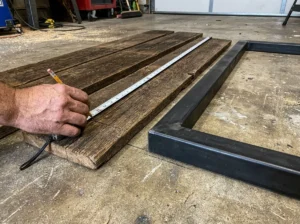
The first step in eco-friendly woodworking is choosing the right materials. Here are some top options:
- Reclaimed Wood: Sourcing wood from old furniture, barns, and warehouses is a fantastic way to repurpose materials that would otherwise go to waste. You can find great resources for reclaimed wood in your area from sites like Reclaimed Wood Exchange.
- Certified Sustainable Wood: Look for wood certified by organizations like the Forest Stewardship Council (FSC), which ensures the wood comes from responsibly managed forests. Check out the FSC for certified wood products.
- Bamboo: Bamboo is a fast-growing, renewable material that can be used for furniture and flooring projects. For more information on bamboo products, check here.
When choosing materials, always opt for those that minimize the environmental impact and maximize sustainability. Check for certifications or look for local sources to reduce the carbon footprint of transportation. A great place to start is by visiting your local salvage yard or woodworking shops that specialize in sustainable materials.
Eco-Friendly Woodworking Project Ideas
Now that you know how to source sustainable materials, let’s dive into some beginner-friendly woodworking projects that make a big impact with minimal waste.
1. Reclaimed Wood Coffee Table
A reclaimed wood coffee table is a beautiful and practical way to incorporate eco-friendly materials into your living space. Here’s a simple guide:
- Materials Needed: Reclaimed wood, screws, wood glue, sandpaper, eco-friendly wood finish.
- Instructions: Sand the wood to smooth any rough edges, then cut the wood to your desired size. Assemble the pieces to create a table frame and top, ensuring stability with screws and wood glue. Finish with a non-toxic wood sealant to preserve the natural look of the reclaimed wood.
Not only is this a sustainable project, but it also adds a rustic charm to your home.
2. Wooden Wall Planters from Pallets
Turn old pallets into trendy wall planters for your home or garden. This project is perfect for adding greenery to small spaces while keeping it eco-friendly.
- Materials Needed: Old pallets, saw, nails, drill, eco-friendly wood stain.
- Instructions: Cut the pallet into smaller sections, depending on how many planters you want. Assemble the sections to form a small frame, add a bottom for the soil, and attach a hook or mounting hardware. Finish with an eco-friendly wood stain to enhance the wood’s appearance.
This project is a great way to bring nature into your home while repurposing old materials. For more gardening and decor ideas, check out this post.
3. DIY Wooden Bookshelf with Reclaimed Wood
Another easy and functional eco-friendly project is creating a wooden bookshelf. This project is perfect for beginners and makes use of reclaimed wood to create stylish storage.
- Materials Needed: Reclaimed wood planks, nails, hammer, wood glue, and non-toxic wood sealant.
- Instructions: Cut the wood to your preferred dimensions for the shelf and support pieces. Assemble the frame using wood glue and nails. Sand it down, then apply a non-toxic finish to preserve the wood’s natural beauty.
A simple wooden bookshelf can easily transform a room while keeping it sustainable. If you’re looking for more bookshelf ideas, visit our Diy Bookshelves section.
Tips for Reducing Waste in Your Workshop

While eco-friendly materials are essential, reducing waste during the woodworking process is just as important. Here are some tips:
- Use Offcuts: Keep your wood offcuts and small scraps — they can often be used for small projects like wooden coasters or decorations. Learn more about small wood projects here.
- Optimize Your Cuts: Plan your cuts carefully to minimize waste. Measure twice, cut once, and make sure you’re using the full length of your wood.
- Recycle Materials: If you have excess materials, consider donating them to a local charity or reusing them in another project. For tips on woodworking donations, check out The Salvation Army.
Conclusion
Eco-friendly woodworking is not only about using sustainable materials — it’s about embracing a more responsible, mindful approach to craftsmanship. By choosing reclaimed wood, bamboo, or FSC-certified timber, and reducing waste in your workshop, you can create beautiful, functional pieces that help protect the planet. Start with one of these beginner-friendly projects and make a positive impact through your DIY creations. For more eco-conscious tips, check out our Sustainable Living section.