
What Is Fibremaxxing and Why Is Everyone Talking About It?
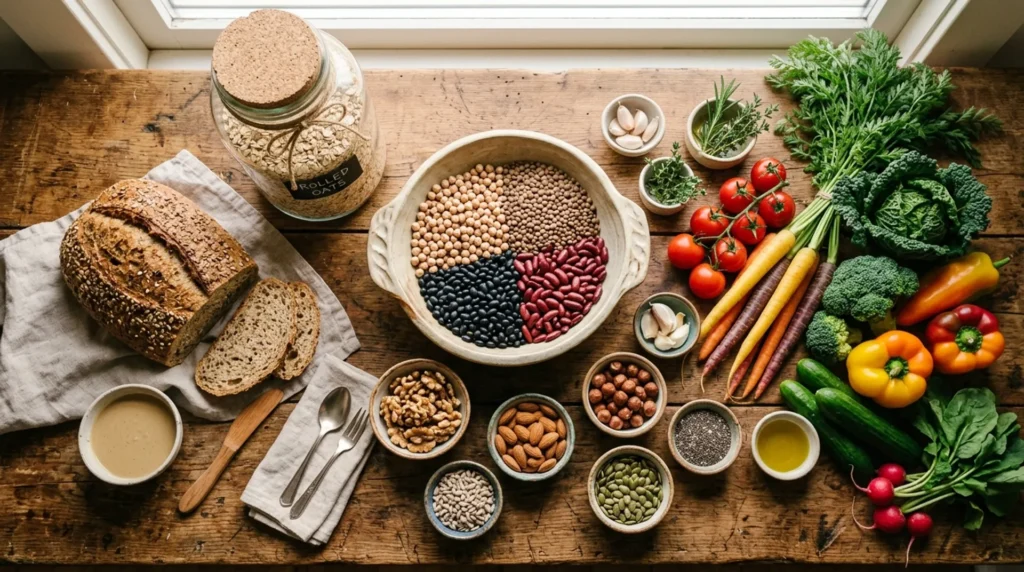
If you have spent any time scrolling through TikTok or Instagram lately, you have likely come across a word that sounds a little unusual but makes a lot of sense once you understand it: fibremaxxing. At its core, fibremaxxing is the practice of intentionally maximizing your daily fiber intake through whole, real foods — beans, lentils, whole grains, vegetables, nuts, and seeds. It is not a diet in the restrictive sense of the word. It is a philosophy of cooking and eating that puts gut health at the center of every meal.
The trend has swept through wellness communities in early 2026, and unlike many viral food moments, this one has genuine staying power. Why? Because the science behind it is solid, the ingredients are affordable, and the food is deeply, unapologetically delicious. At Katie Brown Home Workshop, we believe that cooking with heart starts with cooking with intention — and fibremaxxing fits right into that philosophy. It is about making everyday meals richer, more nourishing, and more connected to what your body truly needs.
Think of it less as a trend to chase and more as a return to the kind of cooking that grandmothers have done for generations — hearty soups, slow-cooked beans, grain-studded salads, and vegetable-packed dinners that leave you feeling genuinely well. If you have ever made a pot of homemade bread from scratch and felt that quiet satisfaction of nourishing your family with something real, fibremaxxing will feel like a natural next chapter in your kitchen story.
Why Fiber Matters More Than You Might Think
Most of us know fiber is good for us in a general, passing way — the same way we know we should drink more water. But the research emerging around gut health and dietary fiber in recent years is genuinely striking, and it helps explain why fibremaxxing has resonated so deeply with so many home cooks.
The Gut-Health Connection
Your gut is home to trillions of microorganisms — bacteria, fungi, and other microbes that collectively form your gut microbiome. This internal ecosystem influences far more than digestion. According to Harvard T.H. Chan School of Public Health, a high-fiber diet feeds the beneficial bacteria in your gut, helping them produce short-chain fatty acids that support immune function, reduce inflammation, and even influence mood and mental clarity. Fiber is, in the most literal sense, food for the microbes that keep you well.
The average person consumes far less fiber than recommended — most adults get around 15 grams per day when the goal is closer to 25 to 38 grams. Fibremaxxing is simply the act of closing that gap, not through supplements or powders, but through food. Whole, real, beautiful food.
Benefits That Show Up in Daily Life
When you consistently eat more fiber, the benefits tend to arrive quietly but meaningfully. Energy becomes more stable throughout the day because fiber slows the absorption of sugar, preventing the sharp spikes and crashes that come from low-fiber eating. Digestion improves. Hunger feels more satisfied after meals. And over time, research from the Mayo Clinic shows that a high-fiber diet is associated with reduced risk of heart disease, type 2 diabetes, and certain cancers. These are not small returns for simply changing what you put in your pot.
Fibremaxxing in Your Kitchen: Where to Begin
The beauty of fibremaxxing is that it does not require you to overhaul your entire kitchen or learn complicated techniques. It asks for small, thoughtful shifts — swapping one ingredient here, adding a handful of something there. Over time, these small choices compound into a genuinely different way of cooking and eating.
The Fibre-Rich Pantry Staples to Always Have on Hand
 Building a fibremaxxing kitchen starts with stocking the right pantry staples. These are humble, affordable ingredients that form the backbone of some of the world’s most beloved cuisines — and they happen to be extraordinary sources of dietary fiber.
- Legumes: Lentils, chickpeas, black beans, cannellini beans, and split peas. Dried or canned, these are your most powerful fiber allies. A single cup of cooked lentils delivers around 15 grams of fiber.
- Whole grains: Oats, brown rice, quinoa, farro, barley, and whole wheat flour. Choose these over their refined counterparts wherever possible.
- Nuts and seeds: Chia seeds, flaxseeds, almonds, and walnuts. These add fiber and healthy fats to everything from morning oatmeal to afternoon snacks.
- Vegetables: Broccoli, sweet potatoes, Brussels sprouts, carrots, and leafy greens. Roasted, steamed, or stirred into soups, these are fiber-rich and endlessly versatile.
- Fruit: Apples, pears, berries, and avocados. Yes, avocado is both a healthy fat and a surprisingly good source of fiber — about 10 grams per fruit.
Once your pantry is stocked, the cooking itself becomes intuitive. You are not following a rigid plan. You are simply reaching for these ingredients more often, building meals around them the way generations of cooks did before the age of processed food.
Simple Fibremaxxing Swaps for Everyday Cooking
You do not need to cook entirely new recipes to start fibremaxxing. Some of the most effective changes happen by shifting what you already love to cook just slightly toward higher-fiber versions.
- Replace white rice with brown rice, farro, or a rice-and-lentil blend in grain bowls and stir-fries.
- Add a can of rinsed white beans to your next pot of vegetable soup. They blend in almost invisibly and triple the fiber content.
- Stir a tablespoon of chia seeds into your morning oatmeal or smoothie. One tablespoon adds nearly 5 grams of fiber with zero noticeable change in flavor.
- Use whole wheat or spelt flour in your baking. If you enjoy baking bread at home, swapping even half the flour for whole wheat increases fiber significantly while adding a warm, nutty depth of flavor.
- Roast a sheet pan of vegetables alongside whatever protein you are making. Brussels sprouts, sweet potato cubes, and cauliflower florets become caramelized and irresistible — and they add 4 to 8 grams of fiber per serving.
The Brothy Bean Bowl: A Fibremaxxing Signature Dish
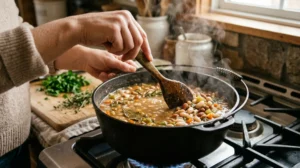 If fibremaxxing has a signature dish, it is the brothy bean bowl — and it is having a genuine moment right now for good reason. The concept is beautifully simple: beans cooked slowly in a richly seasoned broth, ladled over grains or crusty bread, and finished with a handful of bright, fresh toppings. It is comfort food that also happens to be among the most nourishing things you can eat.
A Simple Brothy White Bean Recipe
This is the kind of recipe that becomes a weeknight staple — endlessly riffable, deeply satisfying, and ready in under 40 minutes using canned beans.
Ingredients (serves 4):
- 2 cans (15 oz each) cannellini or Great Northern beans, drained and rinsed
- 4 cups good-quality vegetable or chicken broth
- 4 garlic cloves, thinly sliced
- 2 tablespoons olive oil
- 1 sprig fresh rosemary (or 1/2 teaspoon dried)
- 1 teaspoon smoked paprika
- Salt and black pepper to taste
- 2 cups chopped kale or spinach
- To serve: crusty whole grain bread, a drizzle of olive oil, and a sprinkle of fresh parsley
Method:
In a wide pot or Dutch oven, warm the olive oil over medium heat. Add the sliced garlic and let it soften for two to three minutes until fragrant and just golden — do not let it burn. Add the smoked paprika and rosemary and stir for thirty seconds. Pour in the broth and bring to a gentle simmer. Add the beans and cook for fifteen to twenty minutes, allowing the beans to absorb the flavors and the broth to deepen. In the last five minutes, stir in the chopped greens. Taste and adjust salt and pepper. Ladle into deep bowls over a slice of whole grain toast or a scoop of cooked farro, drizzle with olive oil, and scatter with fresh parsley. Serve immediately.
Each serving delivers approximately 14 to 16 grams of fiber — a significant portion of your daily goal in a single, soulful bowl.
Variations to Make It Your Own
The brothy bean bowl is a formula more than a fixed recipe. Once you understand the bones of it — fat, aromatics, liquid, beans, greens — you can vary it endlessly based on what is in your pantry and what the season calls for.
- Tuscan-style: Add sun-dried tomatoes, a Parmesan rind, and a handful of fresh basil.
- Smoky and spiced: Use black beans, cumin, chipotle, and top with pickled red onion and avocado.
- Lemon and herb: Chickpeas with lemon zest, fresh dill, and a swirl of tahini.
- Warming and golden: Lentils with turmeric, ginger, and a spoonful of coconut cream stirred in at the end.
The principle of adapting and reinventing based on what you have is one that fits neatly into the broader spirit of creative, resourceful home cooking — the same spirit you might bring to transforming what you already own into something beautiful. Great cooking, like great decorating, is often about seeing the potential in simple things.
Eating More Fiber Without the Discomfort
One word of honest caution: if your current diet is low in fiber, increasing it too quickly can cause bloating, gas, and digestive discomfort. This is not a reason to avoid it — it is simply a reason to be patient and gradual with the transition.
Tips for a Comfortable Fiber Transition
- Go slowly. Add one or two high-fiber foods per week rather than overhauling your entire diet overnight. Give your gut microbiome time to adapt.
- Drink more water. Fiber absorbs liquid in your digestive system, and adequate hydration is essential for it to move smoothly. Aim for at least 8 cups of water daily as you increase fiber intake.
- Cook your legumes well. Properly soaked and fully cooked beans are far easier to digest than undercooked ones. If using canned beans, rinse them thoroughly before use.
- Start with soluble fiber. Oats, lentils, and apples contain primarily soluble fiber, which tends to be gentler on the gut than the insoluble fiber in raw bran or raw vegetables. Begin here if you are sensitive.
If you are someone who already creates intentional rituals of wellness at home — perhaps you have already explored the idea of a personal wellness sanctuary — fibremaxxing is simply extending that same intention to what you put on your plate. It is the inside work that supports the outside peace.
Making Fibremaxxing a Lasting Part of Your Kitchen Life
The most sustainable food changes are the ones that become invisible — habits so ingrained that you no longer think of them as effort. Fibremaxxing, at its best, works exactly that way. You stop noticing that you are doing it because the food you are cooking is simply good: warm, satisfying, deeply flavorful, and grounding in the way that the best home-cooked meals always are.
It helps to think about fiber the same way you might think about building layers in a beautifully styled room. You start with a strong foundation — your whole grains and legumes — and then you add texture, color, and detail with vegetables, herbs, and seeds. The result is a meal that feels complete and considered, the way a well-styled home feels complete: nothing accidental about it, even though it looks effortless.
The 2020-2025 Dietary Guidelines for Americans consistently list dietary fiber as a nutrient of public health concern — meaning most Americans are not getting enough. Fibremaxxing is simply a warm, accessible, home-cook-friendly response to that gap. It is not about perfection. It is about choosing the bean soup over the takeout more often than not. It is about adding the handful of greens. It is about cooking from scratch with the conviction that what you make at home, with love and intention, will always be the best thing on the table.
That has always been the Katie Brown way. And fibremaxxing, at its heart, fits right in.